
- Mon-Fri: 8am-5pm
- Get Free Quote
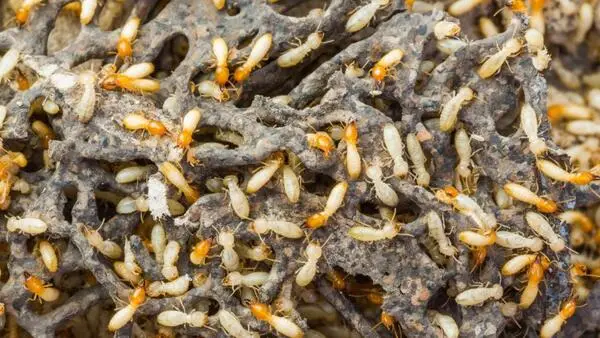
Identifying termite infestations is crucial for homeowners in Arizona. These pests can cause significant damage to structures if left unchecked. Understanding the common signs of a termite infestation can help you take immediate action to protect your home.
Description of mud tubes: Mud tubes are pencil-sized tunnels made from soil, wood, and termite saliva that termites use to travel between their nest and a food source.
Locations to check for mud tubes: Look for mud tubes around the foundation of your home, in crawl spaces, and on exterior walls.
Appearance of swarmers: Swarmers are winged termites that emerge from their nests to reproduce. They are usually dark brown or black and can be mistaken for flying ants.
Time of year for swarming season: In Arizona, the swarming season typically occurs in spring, especially after rainfall.
Presence of discarded wings: After swarming, you may find discarded wings near windowsills or doorways.
Listening for hollow sounds: Knock on wooden structures in your home; if you hear a hollow sound, it may indicate internal damage from termites.
Visual signs of wood damage: Look for wood that appears frayed or has noticeable holes.
Appearance and location of frass: Frass is the fecal matter of termites and looks like small pellets, often found near wood damage.
Distinction between termite frass and other droppings: Termite frass is usually brown and may resemble sawdust, but it has smoother edges compared to other insect droppings.
Blistering or peeling paint: Moisture from termite activities can cause paint to blister or peel on wooden surfaces.
Signs of moisture and internal damage: Look for damp areas that might indicate internal wood damage due to termites.
Environmental factors: Arizona's warm and dry climate provides an ideal environment for certain termite species.
Common building materials susceptible to infestations: Homes with wood siding, wooden decks, and untreated wooden structures are at higher risk.
Areas with higher tendencies for termite activities: Regions with dense vegetation and high moisture levels can increase termite activity.
Recognizing the severity of the signs: If you notice multiple signs of infestation, it may be time to call a professional.
Importance of immediate action: Termites can cause extensive damage, and early action can save homeowners time and money.
Regular inspections: Conduct regular inspections of your home to catch any signs of termites early.
Maintaining a dry environment: Reducing moisture levels can deter termites from invading your home.
Storing firewood and debris away from the home: Keep firewood, mulch, and other organic debris away from your home's foundation to limit nesting sites.
Recognizing the signs of termite infestations is essential for homeowners in Arizona. By staying vigilant and taking action at the first sign of trouble, you can help protect your home from potential damage.
Look for signs such as mud tubes, swarmers, frass, and damage to wood. If you find multiple signs, it's best to consult a professional.
Mud tubes are tunnels termites build to travel between their nests and food sources, indicating an active infestation.
Termite swarming season in Arizona usually occurs in the spring, particularly after rainfall creates humidity in the air.
Yes, regular inspections, maintaining a dry environment, and proper storage of firewood can help prevent termite infestations.
If you notice any signs of termite activity, especially multiple signs, you should contact a professional immediately to assess the situation.


Comments: