
- Mon-Fri: 8am-5pm
- Get Free Quote
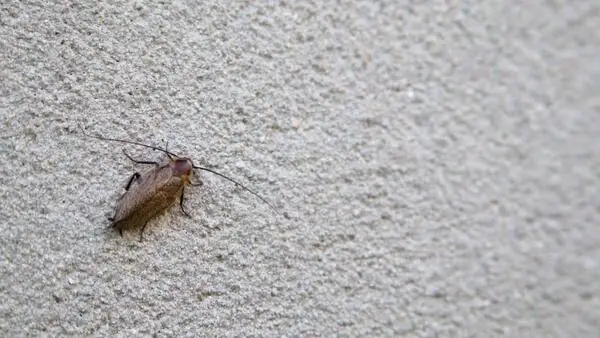
Eco-friendly pest control refers to pest management methods that do not harm the environment, humans, or animals. These methods use natural substances and sustainable practices to manage pest populations.
Sustainable practices in pest management help maintain ecological balance, promote biodiversity, and reduce reliance on synthetic chemicals that could have adverse effects on health and the environment.
Eco-friendly pest control solutions can be highly effective when implemented correctly, offering a viable alternative to harsh chemical treatments.
Identification of common household pests:
The impact of pests on health and property: Pests can transmit diseases, cause allergic reactions, and damage structures and belongings, highlighting the importance of effective pest management.
Natural Repellents:
Traps and Barriers:
Biological Control:
Cultural Practices:
Examples of successful eco-friendly pest control implementations: There are numerous successful examples where families have used eco-friendly methods to eliminate pests without needing harsh chemicals.
Comparison to traditional pest control methods: Eco-friendly approaches often result in fewer health risks and lower environmental impact compared to traditional chemical pest control measures.
Common misunderstandings about eco-friendly methods: Many believe they are less effective; however, with proper knowledge and implementation, they can be very successful.
Limitations of certain eco-friendly solutions: Some pests may require more time to control using natural methods, and effectiveness may vary based on the specific pest issue.
The need for persistence and patience: Eco-Friendly pest control often requires ongoing efforts and monitoring to achieve desired results.
Eco-friendly solutions can effectively manage pest populations while being safe for the environment.
Embracing eco-friendly pest control benefits not only your home but also the planet.
Spread the word about eco-friendly methods and educate others on sustainable pest control practices.
Yes, when properly implemented, eco-friendly pest control methods can be very effective in managing and eliminating pests.
Natural repellents, such as essential oils, work by creating scents that deter pests or disrupt their behavior.
Yes! Many DIY traps can be made using common household materials to effectively capture pests.
Beneficial nematodes are microscopic worms that naturally target and control soil-dwelling pests, making them a valuable tool in eco-friendly pest management.
Results can vary, but persistence and proper application of eco-friendly methods are key for effective pest management. Some methods may take longer than chemical solutions.

Comments: