
- Mon-Fri: 8am-5pm
- Get Free Quote
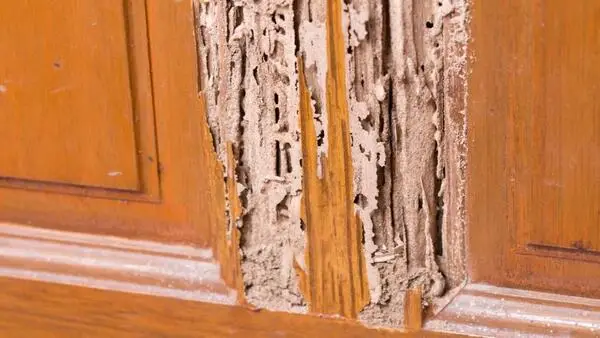
In today's world, pest prevention has become a crucial aspect of maintaining a healthy and safe home environment. Pests can significantly impact not only the integrity of your home but also your health. Infestations can lead to allergies, disease transmission, and structural damage, making prompt attention necessary.
Additionally, the use of chemical pest control methods can have detrimental effects on both the environment and human health, raising concern among homeowners. Eco-friendly pest prevention methods provide a sustainable alternative, allowing you to safeguard your home and well-being without resorting to harmful chemicals.
These methods are defined by their use of natural substances and tactics that minimize environmental impact while effectively managing pest problems. The benefits of going green are multifaceted, promoting a healthier home and a cleaner planet.
To effectively prevent pests, it's vital to identify the most common intruders that may invade your home:
1. Ants: Often seen in kitchens and pantries, these social insects are drawn to food sources.
2. Cockroaches: Nocturnal and hardy, cockroaches thrive in warm, humid areas and can carry diseases.
3. Termites: Known for their destructive feeding habits, termites can cause significant damage to wooden structures.
4. Rodents: Mice and rats can contaminate food and carry diseases, making them a serious concern for homeowners.
5. Bed Bugs: These pests hide in bedding and furniture, feeding on human blood, leading to discomfort and distress.
Understanding pests' life cycles and behaviors can offer insights into prevention strategies:
1. Conditions such as moisture, food sources, and clutter can attract pests.
2. Effective prevention starts with understanding what draws these pests in, allowing for targeted interventions.
Implementing eco-friendly pest prevention strategies can significantly reduce the likelihood of infestations.
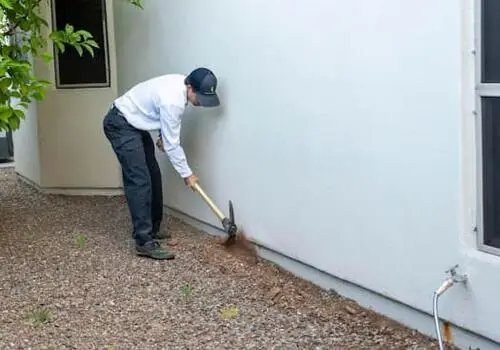
1. Sealing Entry Points
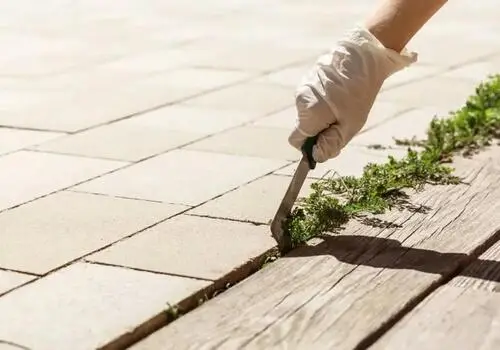
2. Proper Drainage and Landscaping
1. Essential Oils: Oils like peppermint, tea tree, and lavender can naturally deter pests when diluted and applied.
2. Diatomaceous Earth: This natural powder can kill crawling insects without harming pets or humans.
3. Vinegar and Baking Soda Solutions: These common household items can effectively repel and eliminate pests.
1. Reducing Clutter: Keeping areas organized limits hiding spots for pests.
2. Proper Food Storage: Sealing food in containers can prevent attracting pests.
3. Regular Cleaning and Waste Management: Maintaining cleanliness eliminates food sources that attract pests.
1. Introducing Beneficial Insects: Insects like ladybugs and lacewings can control pest populations naturally.
2. Building Birdhouses: Attracting birds that consume insects is an effective pest management strategy.
3. Encouraging Natural Predators: Promoting habitats for natural predators of pests can help maintain balance in your yard.
Recognizing early signs of pest activity can prevent larger infestations:
1. Look for droppings, nests, and damaged food items.
2. Sounds and sightings can also signal an ongoing issue.
1. Importance of Seasonal Checks: Regular inspections can help you catch problems before they escalate.
2. Creating a Pest Checklist for Households: This will ensure consistent monitoring and maintenance.
1. Recipes for Effective Traps: For instance, sugar traps can effectively bait ants.
2. Safe Bait Alternatives: Use non-toxic substances to lure pests without harming them.
1. Choosing the Right Service: Look for providers that specialize in eco-friendly approaches.
2. Questions to Ask Service Providers: Inquire about their methods, materials, and safety measures.
1. Choosing Native Plants: Native plants require fewer resources and are better suited for local ecosystems.
2. Companion Planting: This method involves planting in ways that naturally deter pests.
1. Educating Neighbors about Eco-Friendly Practices: Share tips and techniques with your community to foster a collaborative approach.
2. Participating in Local Initiatives and Workshops: Engage with community programs focused on sustainability.
Eco-friendly pest prevention is not only possible but essential for a healthy home and environment. By adopting these strategies, homeowners can effectively manage pests without compromising their health or harming the planet. It's time to take proactive measures in your home—embrace these sustainable practices and encourage others to do the same for a collective positive impact.
- Recommended Books and Guides: Look for titles focused on sustainable pest management.
- Websites and Organizations: Seek resources dedicated to eco-friendly practices in pest control.
- Local Resources: Check out nearby centers for sustainable living and pest management options.
Look for droppings, nests, damaged food, and unusual sounds or sightings that may indicate pest activity.
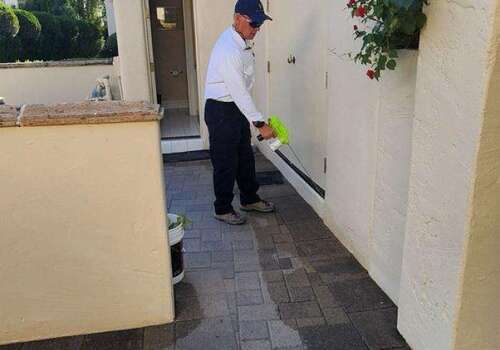
Implement eco-friendly pest prevention methods such as sealing entry points, using natural repellents, and maintaining cleanliness.
Essential oils like peppermint and tea tree, diatomaceous earth, and vinegar solutions serve as effective natural repellents.
If you notice persistent pest activity that you can't manage through DIY methods or if you have a significant infestation, it's best to consult a professional.
Share knowledge with neighbors, join community workshops, and support sustainable practices in local initiatives to encourage environmentally friendly pest control methods.

Comments: