
- Mon-Fri: 8am-5pm
- Get Free Quote
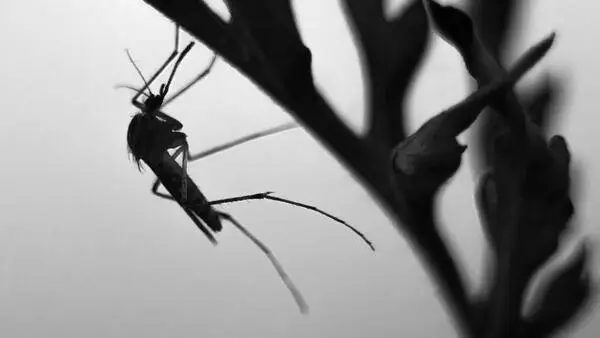
Understanding pest activity is crucial for effective management and safeguarding both health and agriculture. In Arizona, climate variability plays a significant role in shaping pest behaviors, making it necessary to explore these dynamics.
Arizona's climate is characterized by distinct seasonal changes, with periods of heat, rain, and humidity that can all influence pest populations.
Arizona is home to a variety of pest species, including cockroaches, termites, mosquitoes, and scorpions. Each of these pests has adapted to the local environment.
Pest activity is often seasonal; for instance, mosquitoes thrive during the monsoon season while cockroaches are more active in warmer temperatures.
Rising temperatures can significantly boost pest reproduction rates. As the climate warms, many pest species can reproduce more frequently, leading to increased populations.
Prolonged heatwaves also affect pest survival. Some pests may die off due to extreme heat, while others thrive, resulting in unbalanced ecosystems.
Rainfall directly impacts pest populations. Increased rainfall can create ideal breeding conditions for pests like mosquitoes, which breed in standing water.
In contrast, drought conditions can cause some pests to alter their behavior, seeking moisture sources that may lead them into homes and other human habitats.
Increased humidity can facilitate pest proliferation. High moisture levels are conducive to the growth of mold and mildew, attracting pests such as termites and cockroaches.
There is a notable correlation between humidity spikes and pest outbreaks, making humidity a crucial factor in pest forecasting.
Seasonal changes affect pest life cycles significantly. Warmer winters can lead to extended activity periods for pests, while cooler temperatures can suppress them.
Extreme weather events, including storms and flooding, can also redistribute pest populations, leading to unexpected outbreaks in new areas.
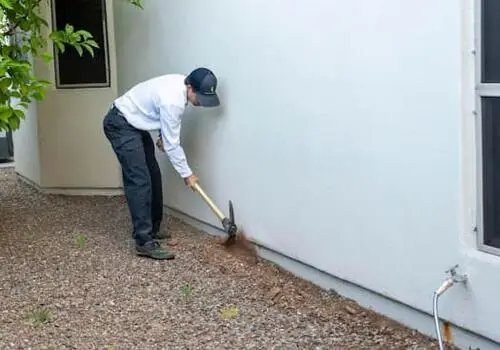
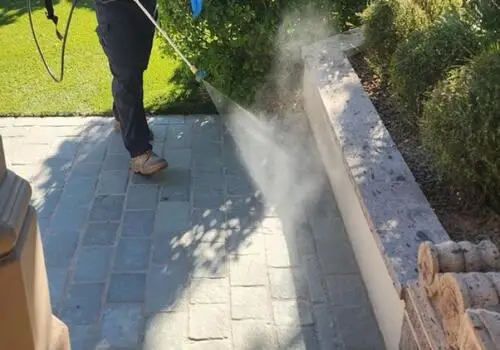
Pest control strategies must adapt based on changing weather patterns. For example, monitoring temperature and humidity can enhance pest control responses and effectiveness.
The importance of keeping an eye on weather forecasts cannot be overstated; predictions can help in forecasting pest activity and preparing appropriate management strategies.
In summary, understanding how weather changes affect pest activity is vital for effective pest management in Arizona. The interplay between temperature, rainfall, humidity, and seasonal patterns plays a crucial role in determining pest behavior.
Ongoing research into the interactions between weather and pest dynamics will be essential for developing more effective management practices as climate conditions continue to evolve.
Temperature impacts reproduction rates and survival of pests; rising temperatures can increase pest activity and population growth.
Common pests in Arizona include cockroaches, termites, mosquitoes, and scorpions, each with unique seasonal activity patterns.
Increased rainfall creates breeding grounds for certain pests, like mosquitoes, while drought conditions can alter pest behavior as they seek moisture.
Higher humidity levels can lead to pest proliferation, particularly for moisture-seeking pests such as cockroaches and termites.
Weather monitoring allows for proactive pest management strategies, helping to predict pest populations and prepare effective control measures.



Comments: