
- Mon-Fri: 8am-5pm
- Get Free Quote

Pest control is essential for maintaining a healthy and safe living environment, particularly in Arizona, where the warm climate creates a haven for various pests. Homeowners in this region face unique challenges due to the prevalence of certain nuisances that can damage property and pose health risks. This article will explore common pests found in Arizona homes, the signs of infestation, and the most effective pest control solutions tailored to this region.
1. Termites: These wood-destroying insects can cause substantial damage to homes if not addressed promptly.
2. Scorpions: Known for their painful sting, these creatures often invade homes in search of food and shelter.
3. Ants: Various species, particularly the harvester and fire ants, can become a nuisance, especially during warmer months.
4. Cockroaches: Known for spreading diseases, these pests thrive in warm environments and can multiply quickly.
5. Spiders: While many are harmless, some species can be dangerous and often take refuge in undisturbed areas.
6. Rodents: Mice and rats can invade homes, contaminating food and spreading diseases.
1. Physical Signs: Finding droppings, nests, or shed skins can indicate infestation.
2. Behavioral Changes: Frequent sightings or unusual noises can signal that pests are present.
3. Structural Damage: Signs of chewing, holes in walls, or wood damage can be indicative of pests like termites or rodents.
1. Sealing Entry Points: Inspect your home for gaps in windows, doors, and foundations where pests can enter.
2. Proper Waste Management: Keep trash in sealed containers and dispose of food waste promptly.
3. Landscaping Choices to Deter Pests: Opt for plants that repel insects and maintain a clean yard free of debris.
1. Professional Pest Control Services: Schedule routine inspections with pest control experts to identify potential problems early.
2. DIY Inspection Tips: Regularly check for signs of pests in cabinets, under sinks, and in corners.
1. Preparing for Summer Swarms: In summer, take extra precautions to seal entry points and remove standing water that attracts mosquitoes.
2. Winterizing Against Rodents: Ensure homes are properly sealed against rodents that seek shelter in colder months.
1. Insecticides: Target specific pests with various formulations available for indoor and outdoor use.
2. Rodenticides: Designed to control rodent populations effectively, but must be used cautiously.
1. Professional vs. DIY Applications: Understand when it's best to hire professionals for more severe infestations.
2. Safety Measures for Pets and Children: Always follow label instructions and ensure areas are secure post-application to protect loved ones.
1. Principles of IPM: Focus on prevention and control, combining different management strategies based on pest life cycles.
2. Implementation in Arizona Homes: Tailor IPM procedures to the specific pests common in the region.
1. Essential Oils and Botanical Pesticides: These can deter certain insects without harmful chemicals.
2. Physical Barriers and Traps: Using traps and exclusion methods can effectively catch pests without chemicals.
1. Attracting Beneficial Insects: Encourage natural predators like ladybugs and lacewings that feed on harmful pests.
2. Eco-Friendly Alternatives: Consider using natural solutions that minimize environmental impact.
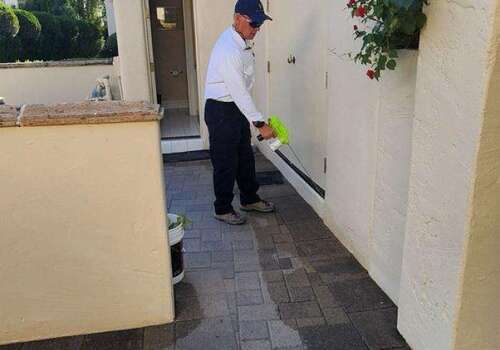
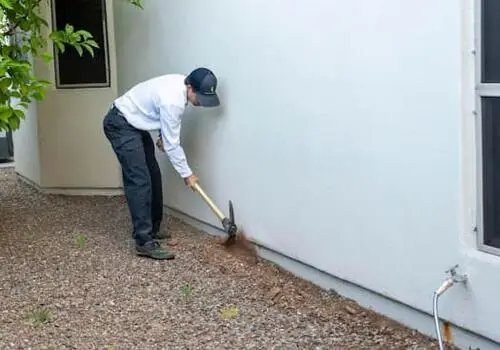
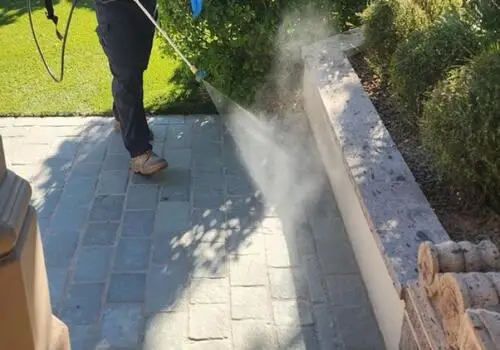
Professional pest control experts have the training and tools necessary to effectively handle infestations.
1. Certifications and Licenses: Always check for proper licensing and certification.
2. Customer Reviews and References: Look for positive feedback from previous clients to assess company reliability.
1. Initial Inspection: A thorough assessment by professionals to identify the types and extent of infestations.
2. Treatment Plan Development: Tailoring the pest control method to the specific needs of your home.
3. Follow-Up and Prevention Tips: Continued support and strategies to maintain a pest-free environment.
Stay informed about local regulations governing the use of pest control chemicals and methods.
Consider the ecological impact of pest control strategies and opt for sustainable practices whenever possible.
Implement practices that minimize harm to the environment, focusing on long-term solutions over quick fixes.
Effective pest control solutions are crucial for maintaining a pest-free environment in Arizona homes. By understanding common pests, implementing prevention strategies, and exploring both chemical and non-chemical control methods, homeowners can protect their properties. Assess your current pest control measures and consider professional help to ensure a lasting solution against unwanted pests.
- Local Pest Control Organizations: Contact associations for advice and referrals.
- Educational Materials and Guides: Utilize resources for ongoing learning about pest management.
- Contact Information for Pest Control Professionals in Arizona: Connect with certified pest control experts for assistance and consultations.
1. What are the most common pests in Arizona homes? The most common pests in Arizona include termites, scorpions, ants, cockroaches, spiders, and rodents.
2. How can I prevent pests from entering my home? Seal entry points, manage waste properly, and maintain a tidy landscape to deter pests.
3. When should I consider hiring a pest control professional? If you identify signs of a severe infestation or if DIY methods aren't effective, it may be time to hire a professional.
4. Are chemical pest control solutions safe for children and pets? While effective, it's crucial to follow application safety guidelines to protect children and pets. Consider consulting a professional for safe methods.
5. What is Integrated Pest Management (IPM)? IPM is a sustainable pest control approach that combines prevention, monitoring, and targeted treatments to manage pests with minimal chemical use and environmental impact.


Comments: