- Mon-Fri: 8am-5pm
- Get Free Quote
The importance of pest control for commercial properties cannot be overstated. Effective pest management protects not only your property but also your brand reputation, employee health, and customer satisfaction.
Customized solutions are essential because each commercial property has its unique challenges and requirements when it comes to pest control. Understanding these nuances allows for more effective and efficient pest management strategies.
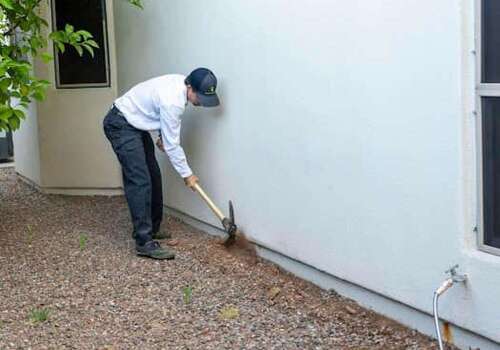
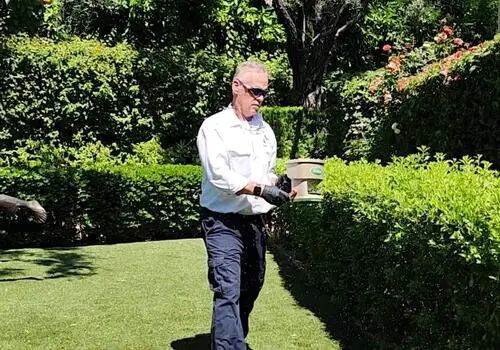
Commercial pest control is a specialized practice that involves managing pest infestations in business environments, ensuring compliance with health and safety regulations.
Common pests found in commercial properties include:
A comprehensive site evaluation is the first step in establishing effective pest control measures.
Identifying specific pest issues helps in developing targeted strategies.
Different sectors, such as food service, retail, and offices, have unique pest control requirements due to varying regulations and operational needs.
Integrated Pest Management (IPM) is a holistic approach that incorporates several principles:
Strategies should be tailored based on property type, including:
Treatment methods may vary based on the environment, including:
Scheduling and frequency of treatments should be aligned with the type of property and level of pest activity.
Ongoing assessment of pest activity is critical to ensuring that the implemented strategies remain effective.
Adapting strategies as needed based on monitoring results helps maintain control.
Regular reporting and communication with property management foster transparency and trust.
The benefits of customized pest control for commercial properties are manifold, including reduced health risks, enhanced safety, and improved operational efficiency.
Partnering with professional pest control services ensures that you receive expertise, tailored strategies, and ongoing support for a pest-free environment.
1. What types of pests are most common in commercial properties?
The most common pests include rodents, insects such as cockroaches and ants, and birds like pigeons.
2. How can I assess my pest control needs?
A thorough site evaluation to identify specific pest issues and understand your sector's unique requirements is essential.
3. What is Integrated Pest Management (IPM)?
IPM is a comprehensive approach that emphasizes monitoring, identification, and prevention techniques for effective pest control.
4. How often should pest control treatments be scheduled?
The frequency of treatments depends on the type of property and the level of pest activity; a customized schedule is recommended.
5. Why is partnership with a professional pest control service important?
Professionals provide expertise and customized solutions, ensuring ongoing support and compliance with safety regulations.
Share this Project


Recent Projects