Comprehensive Termite Treatment Projects
Termite treatment projects encompass a variety of strategies and procedures aimed at identifying and eliminating termite infestations from residential and commercial properties. These projects involve thorough inspections, assessment of damage, and the application of various treatment methods.
Addressing termite infestations is crucial for the overall integrity of structures. Neglecting these pests can lead to significant damage, resulting in costly repairs and potential safety hazards.
Assessment of Termite Infestation
Identification of signs of termites
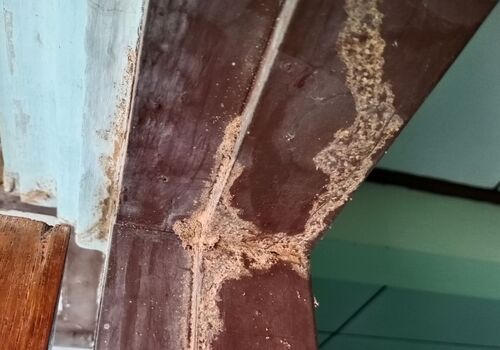
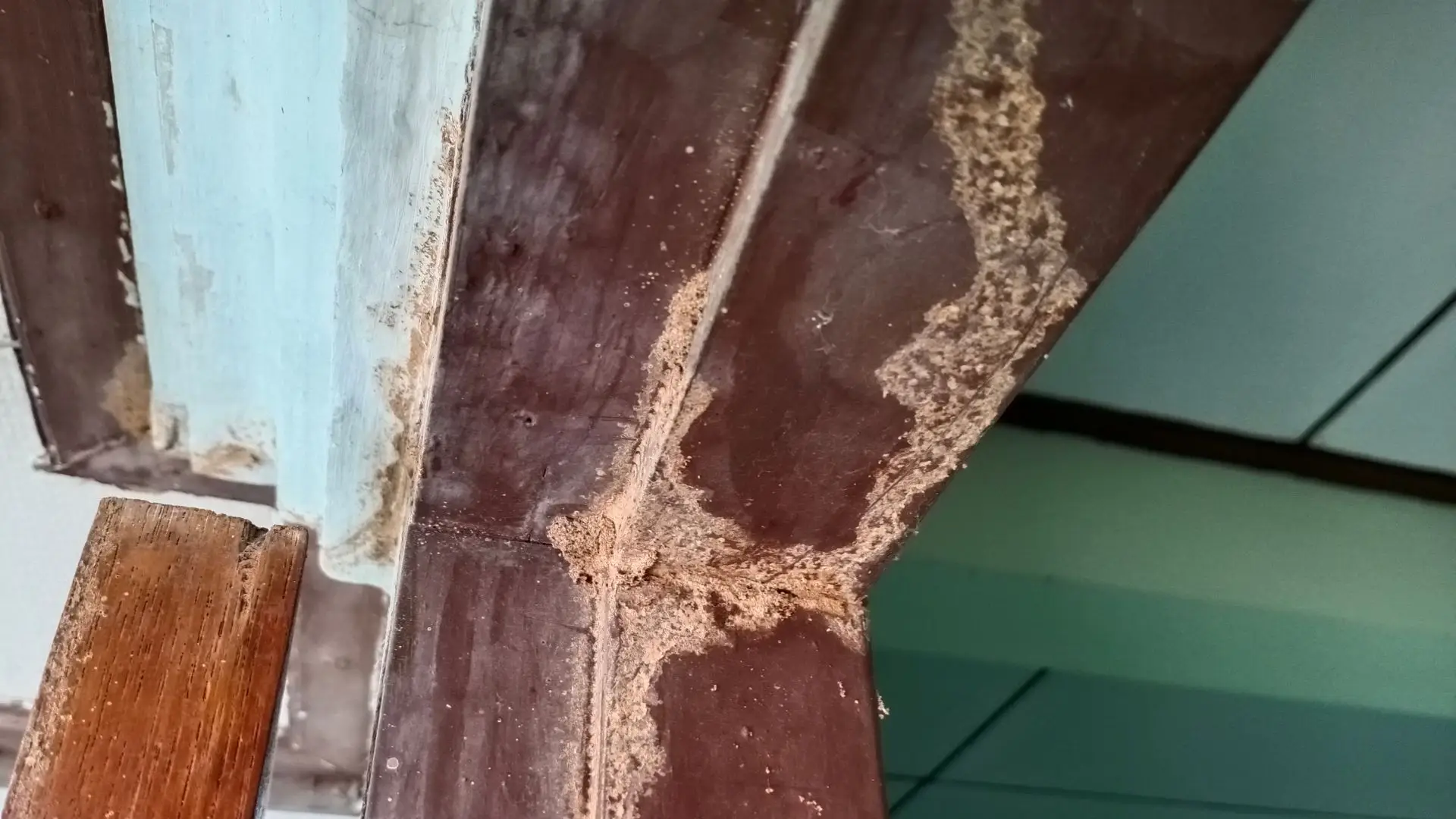
- Mud tubes
Termites create mud tubes as a protective shelter while traveling between their colonies and food sources. - Damaged wood
Hollow-sounding wood or wood that crumbles easily can indicate the presence of termites. - Swarmers and discarded wings
Winged termites (swarmers) often indicate a colony is nearby, especially when found in large quantities.
Inspection process
- Visual inspection
Conducting a thorough visual inspection around and within the property is the first step in assessing termite presence. - Use of technology
Tools like thermal imaging cameras and moisture meters can help detect hidden infestations. - Professional vs. DIY inspection
While DIY inspections can be helpful, professional inspections are often more thorough and reliable.
Development of a Treatment Plan
Evaluation of infestation level
Assessing the severity of the infestation will determine the most appropriate course of action.
Selection of treatment methods
- Chemical treatments
These include liquid termiticides that create a barrier against termites. - Non-chemical treatments
Techniques such as heat treatment or orange oil can be effective alternatives. - Bait systems
Bait systems attract termites to a lethal substance, gradually eliminating the colony.
Consideration of environmental impact
Choosing methods that minimize environmental impact is essential in modern pest control practices.
Implementation of Treatment
Preparation of the site
- Clearing the area
It is important to remove furniture and other items that may obstruct treatment. - Protecting non-target organisms
Measures should be taken to safeguard beneficial insects and pets.
Application of selected treatments
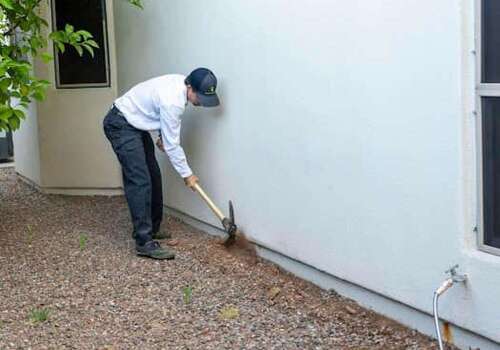
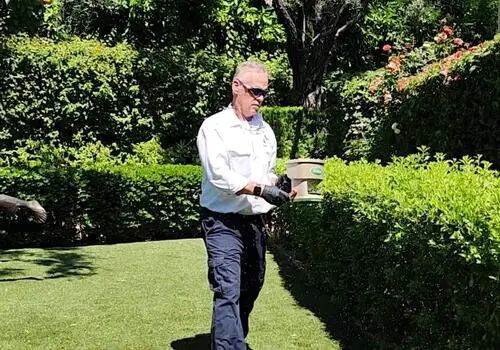
- Professional application
Licensed pest control professionals should carry out chemical treatments for safety and efficacy. - Homeowner application techniques
Homeowners can apply certain non-chemical treatments with proper instructions.
Follow-Up and Prevention
Monitoring post-treatment
- Schedule for inspections
Regular inspections are critical to ensure the success of the treatment. - Signs of recurring infestations
Homeowners should remain vigilant for the signs of termites even after treatment.
Preventive measures
- Structural repairs
Repairing any structural damage helps prevent future infestations. - Moisture control strategies
Reducing excess moisture can make properties less inviting to termites. - Landscaping considerations
Moving mulch or firewood away from the foundation can deter termites.
Conclusion
A comprehensive approach to termite treatment is vital for protecting your property from potential damage.
Regular inspections and proactive measures can safeguard your home from future infestations.
FAQs
1. How can I tell if I have termites?
Look for signs such as mud tubes, damaged wood, or swarmers around your property.
2. What is the best method for treating termites?
The best method depends on the severity of the infestation and can include chemical or non-chemical treatments.
3. Should I hire a professional for termite treatment?
While some treatments can be DIY, hiring a professional is often recommended for effective results.
4. How often should I inspect my home for termites?
It’s advisable to have a termite inspection at least once a year.
5. What preventive measures can I take against termites?
Maintain your home’s structure, control moisture levels, and manage landscaping to reduce the risk of termites.